
When you order a batch of components, you’re relying on more than just a manufacturer producing the correct quantity. You need confidence that every part will fit, perform and meet specifications consistently, whether it’s the first component off the machine or the last.
Variations between production batches can lead to assembly issues, increased costs, delays and quality concerns further down the supply chain. That’s why repeatability is such an important part of modern manufacturing.
For manufacturers like G W Martin, achieving consistent results comes from combining robust engineering practices, controlled production methods and thorough quality management systems.
Quick answer: Manufacturers ensure repeatability in batch production through controlled processes, standardised machine set-ups, consistent material selection, quality inspections and documented manufacturing procedures. Together, these measures help ensure every component meets the same specification across multiple production runs.
The importance of repeatability in manufacturing
Repeatability refers to a manufacturer’s ability to produce components consistently over multiple production runs, maintaining the same dimensions, tolerances, material properties and performance characteristics.
Whether producing a small batch of precision-machined components or a larger production run, consistency is critical. Reliable repeatability helps ensure products fit correctly, function as intended and meet customer expectations every time.
For industries such as defence, aerospace, automotive or medical, even minor variations can have significant consequences, making repeatability a fundamental requirement rather than simply a desirable quality.
Factors that influence repeatability
Achieving repeatable results requires careful control over multiple aspects of the manufacturing process. Key factors include:
- Clear design and manufacturing specifications
- Consistent raw materials and material traceability
- Standardised machine setup and CNC programming
- Regular machine maintenance and calibration
- Ongoing quality inspection and testing
- Documented production processes
Design and manufacturing specifications
The foundation of repeatability begins with clear and accurate design information. Engineering drawings, CAD models and technical specifications provide manufacturers with precise instructions on dimensions, tolerances and performance requirements.
Well-defined documentation reduces ambiguity and helps ensure that every production run follows the same standards.
Material consistency
Using consistent raw materials is equally important. Variations in material grade, composition or quality can affect machining performance, dimensional stability and product durability.
By sourcing materials from trusted suppliers and maintaining strict material traceability, we reduce potential variations before production even begins.
Machine setup and programming
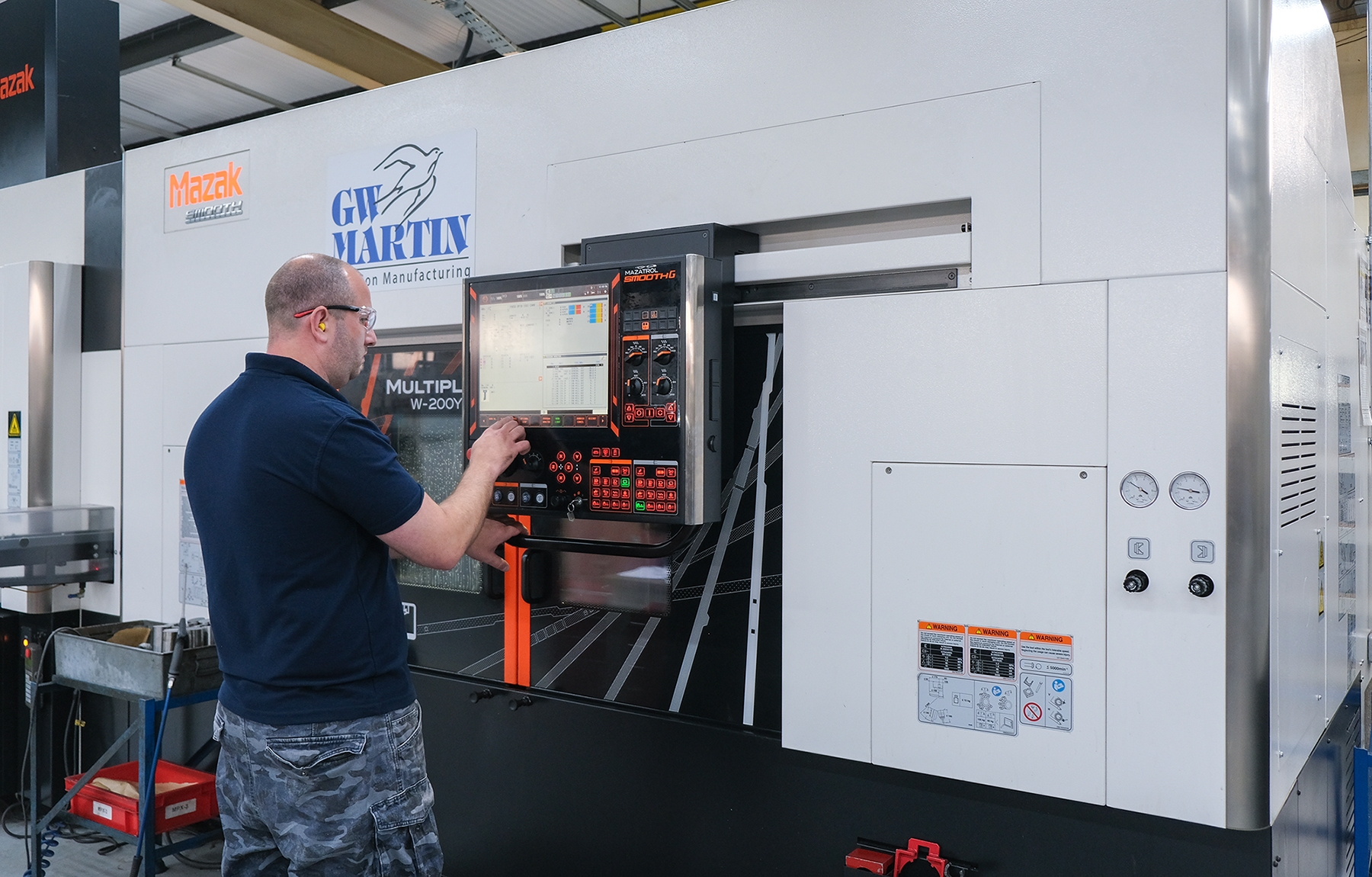
Modern CNC machining plays a key role in achieving repeatability. Once machine programs have been validated, they can be used repeatedly to produce components with a high degree of consistency.
Standardised tooling, fixture arrangements and machine setup procedures also help minimise variation between production runs.
Machine condition and maintenance
Even the most advanced machinery requires regular maintenance to maintain consistent performance. Preventative servicing, machine calibration and routine inspections help ensure equipment continues operating within required tolerances. Identifying wear or performance drift early can prevent small issues from becoming larger quality concerns.
Quality control and inspection
Inspection processes are essential for verifying that components continue to meet specification throughout production. Quality checks may include dimensional inspection, visual examination, material verification and testing against defined tolerances. Depending on the application, we conduct inspections at multiple stages of production rather than solely at the end of the process.
By monitoring quality throughout a production run, we can identify trends, make adjustments where required and prevent non-conforming parts from progressing further through production.
Process documentation and standardisation
Repeatability relies heavily on documented and repeatable processes. We use standard operating procedures, setup instructions, inspection plans and production records to ensure work is carried out consistently regardless of when a component is produced or who is operating the equipment.
These documented processes help reduce variation and provide valuable traceability for future production runs.
The role of quality management systems
Quality management systems help manufacturers maintain consistency, traceability and control throughout the production process.
Standards such as ISO 9001 provide a structured framework for documented procedures, risk management, corrective actions and continual improvement. By establishing clear processes and monitoring performance, manufacturers can reduce variation and maintain repeatable production standards over time.
For organisations working within the aerospace sector, AS9100 builds on the requirements of ISO 9001 by introducing additional controls focused on product safety, risk management, configuration management and traceability. These enhanced requirements help ensure components are manufactured consistently and meet the stringent quality expectations of aerospace and defence applications.
By working within recognised quality management frameworks, manufacturers can provide greater assurance that components will be produced consistently, accurately and in line with customer specifications, regardless of batch size or production frequency.
Real-world example of repeatability
Consider a precision-machined component used within a hydraulic assembly. Hundreds or even thousands of identical parts may be required throughout the lifecycle of a project.
A small variation in dimensions, hole positioning or surface finish could affect assembly performance, potentially leading to increased costs and downtime. Maintaining repeatability ensures each component performs as intended and remains interchangeable with every other part produced.
How G W Martin supports repeatable manufacturing
At G W Martin, repeatability is built into every stage of the manufacturing process. Through precision CNC machining, robust quality controls, documented procedures and continual investment in equipment and processes, we help ensure components are produced consistently from one batch to the next.
Whether you require prototypes, small batches or ongoing production runs, our team is committed to delivering reliable, repeatable results that meet your exact requirements.
Talk to our team about how we can support your next batch production project.
Frequently asked questions
What causes variation in batch production?
Tool wear, material differences, temperature changes and inconsistent machine set-ups can all cause variation. Regular checks help manufacturers spot and resolve issues before they affect more parts.
How does CNC machining improve repeatability in batch production?
CNC machines follow programmed instructions to produce components consistently. Suitable tooling, secure workholding and regular inspection help keep parts within the required tolerances.
How do manufacturers maintain consistency across repeat orders?
Manufacturers like us keep approved programmes, set-up instructions and inspection records for future orders. We check these against the latest drawings and specifications before production starts.